Smart Buildings, Smarter ROI: Predictive Maintenance at Scale
How commercial real estate portfolios are using IoT + AI to shift from reactive to predictive maintenance, cutting costs and improving tenant satisfaction.
The Hidden Cost of Reactive Maintenance
Commercial real estate operates on thin margins. A single HVAC failure can cost $50K in emergency repairs plus lost tenant satisfaction. Multiply this across a portfolio of 50+ buildings, and you're bleeding millions annually.
Traditional maintenance strategies are either:
- Reactive: Fix things when they break (expensive, disruptive)
- Preventive: Replace components on fixed schedules (wasteful, still misses failures)
Neither approach optimizes cost, uptime, or tenant experience.
The Predictive Maintenance Revolution
IoT sensors + AI enable a third way: predictive maintenance—forecast equipment failures before they happen, schedule repairs proactively, optimize component lifecycles.
What We Monitor
- HVAC Systems: Temperature, vibration, power consumption, refrigerant pressure
- Elevators: Motor current, door cycles, cabin acceleration
- Lighting: Lux levels, fixture temperature, power draw
- Plumbing: Water pressure, flow rates, leak detection
- Building Envelope: Window seals, roof membrane integrity
Case Study: 40-Building Office Portfolio
A commercial REIT managing 12M sq ft wanted to reduce maintenance costs and improve tenant retention.
Baseline Situation:
- $8M annual maintenance spend (reactive + preventive)
- Average equipment downtime: 48 hours per incident
- Tenant complaints about inconsistent climate control
Our Solution
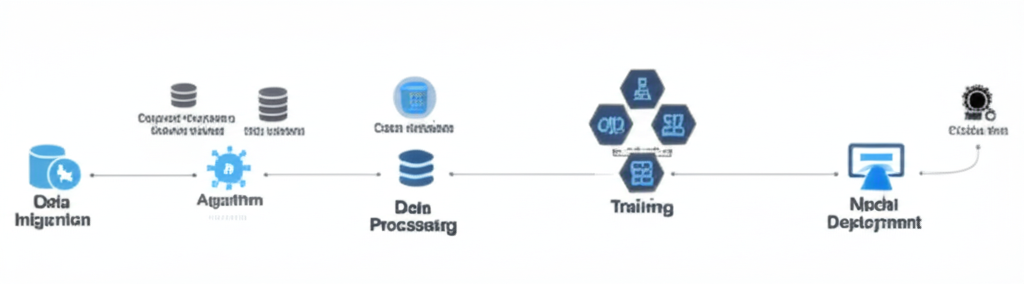
- IoT Deployment: Installed 15,000 sensors across portfolio (BMS integration + retrofitted sensors)
- Data Platform: Real-time telemetry ingestion (100K data points/second) into cloud data lake
- Predictive Models:
- Anomaly detection (LSTM autoencoders for time-series data)
- Failure prediction (survival models for remaining useful life)
- Causal inference (identify root causes, not just symptoms)
- Work Order Automation: Integrated with CMMS (Corrigo/ServiceChannel) to auto-generate tickets
- Optimization Engine: Schedule maintenance to minimize operational disruption
Results After 12 Months:
- 32% reduction in maintenance costs: $2.6M annual savings
- 65% reduction in emergency failures: More planned maintenance, less reactive firefighting
- Tenant satisfaction up 18%: Fewer disruptions, more consistent building performance
- Equipment lifespan extended 20%: Proactive care prevents premature failures
Technical Architecture
Edge Layer
- Sensors: BACnet/Modbus IoT devices, retrofitted wireless sensors
- Edge Gateways: Pre-process sensor data, run lightweight inference models
- Connectivity: LoRaWAN / NB-IoT for low-power wireless
Cloud Platform
- Data Ingestion: AWS IoT Core / Azure IoT Hub
- Storage: Time-series database (InfluxDB / TimescaleDB)
- Feature Engineering: Spark for batch feature computation
- ML Models: Anomaly detection, failure prediction, optimization
Application Layer
- Dashboards: Real-time building health for facility managers
- Alerts: Predictive warnings (e.g., "Chiller #3 likely to fail in 7 days")
- Work Orders: Auto-generated tickets with recommended actions
- Analytics: Portfolio-wide cost, uptime, and efficiency metrics
Causal Insights: Beyond Prediction
Predictive models tell you what will fail. Causal models tell you why—and that's where optimization happens.
Example: Chiller Efficiency
A predictive model flags declining chiller efficiency. But is it caused by:
- Fouled heat exchangers (cleaning required)?
- Refrigerant leaks (recharge needed)?
- Compressor wear (replacement imminent)?
- Poor setpoint control (software fix)?
Causal inference isolates the root cause, enabling targeted interventions.
Energy Optimization
Beyond maintenance, predictive systems optimize energy consumption:
Demand Response
- Predict peak load events
- Pre-cool buildings before demand charges kick in
- Participate in utility demand response programs (earn revenue)
HVAC Optimization
- Dynamic setpoint adjustments based on occupancy, weather, and equipment health
- Zone-level control for mixed-use buildings
- Integration with weather forecasts for proactive conditioning
Energy Savings: Typical clients see 10-15% reduction in HVAC energy costs.
Tenant Experience
Smart buildings aren't just about cost savings—they're about differentiation.
Features Tenants Love
- Consistent Climate: AI-controlled HVAC eliminates hot/cold spots
- Proactive Communication: "Elevator maintenance scheduled Saturday 8-10am" (not surprise outages)
- Mobile Apps: Tenants request service, adjust thermostats, book conference rooms
- Sustainability: Energy dashboards showing carbon footprint reduction
Implementation Roadmap
For building owners ready to modernize:
Phase 1: Pilot Building (3-6 months)
- Select one representative building
- Install IoT sensors on critical systems
- Build data pipeline and initial predictive models
- Validate ROI (should see 15-20% maintenance cost reduction)
Phase 2: Portfolio Rollout (12-18 months)
- Standardize sensor deployment across all buildings
- Scale data platform for portfolio-level analytics
- Train facility teams on new workflows
- Integrate with existing CMMS, accounting, and tenant systems
Phase 3: Continuous Optimization
- Refine models with more data
- Expand to additional use cases (security, space utilization, air quality)
- Monetize insights (sell energy optimization as a tenant amenity)
The Future: Autonomous Buildings
We're moving toward buildings that operate themselves:
- Self-Diagnosing Systems: Equipment that calls for maintenance automatically
- Dynamic Optimization: Buildings that learn occupant preferences and optimize in real-time
- Digital Twins: Virtual replicas for simulation and scenario planning
Competitive Advantage
The real estate industry has been slow to adopt technology. Early movers gain:
- Lower Operating Costs: 20-30% reduction in maintenance and energy spend
- Higher Tenant Retention: Better experiences = lower vacancy
- Asset Value Appreciation: Smart buildings command premium valuations
- ESG Credentials: Measurable sustainability improvements
The question isn't if your buildings will become smart—it's whether you'll lead or follow.
Sean Li
Founder & Principal Consultant at Duoduo Tech. Specializes in production-grade AI infrastructure, causal inference, and domain-specific ML applications across Life Sciences, Finance, and Media.